Severe hailstorms can strike Conroe with little warning. While many homeowners immediately check for broken branches or damaged vehicles, roof damage often goes unnoticed. Unfortunately, hidden hail damage can compromise your home’s protection long before visible leaks appear. For homeowners considering Roof Repair in Conroe Texas, understanding the warning signs of hail damage can help prevent structural deterioration, interior water damage, and unnecessary roofing expenses.
If you are asking, “How can I tell if hail damaged my roof in Conroe?”, look for bruised shingles, granule loss, cracked roofing materials, dented metal roof components, damaged gutters, attic moisture, ceiling stains, and new water leaks. Even seemingly minor hail impacts can weaken roofing materials and shorten the lifespan of your roof. Therefore, scheduling a professional inspection after a major storm is one of the most effective ways to protect your property and avoid expensive future repairs.
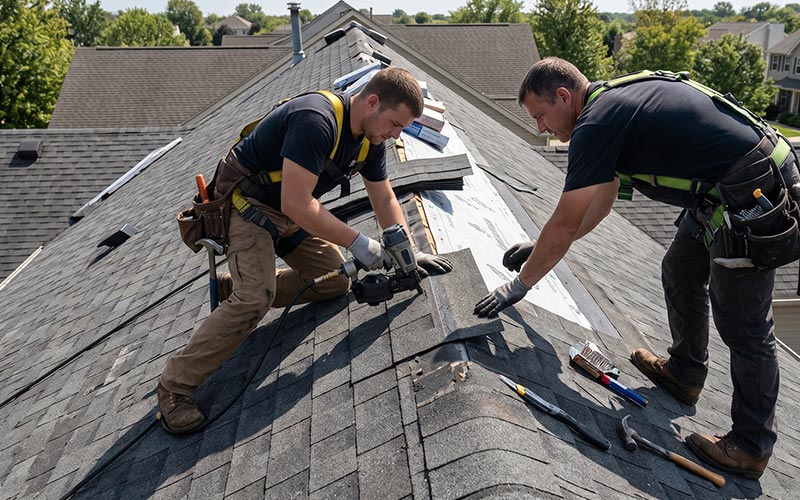
Conroe homeowners face a unique combination of weather conditions that can accelerate roof wear and increase vulnerability to hail damage. Although every storm is different, repeated exposure to severe weather often creates long-term roofing concerns.
Conroe experiences strong thunderstorms throughout much of the year. These storms frequently produce:
As a result, residential roofing systems regularly endure significant stress.
Additionally, storm cells moving through Montgomery County can intensify quickly, producing hail capable of damaging asphalt shingles, roof vents, flashing, gutters, skylights, and other roofing components.
Because many hail events occur alongside strong winds, roofing materials often suffer both impact damage and uplift damage simultaneously.
Asphalt shingles remain one of the most popular roofing materials in Texas because they offer affordability, durability, and weather resistance.
However, hail can weaken these materials in several ways:
Although the damage may appear cosmetic initially, compromised shingles often deteriorate faster when exposed to future storms, intense sunlight, and heavy rainfall.
Consequently, many homeowners eventually require Roof Repair Conroe services after severe hailstorms.
Not all hail damage is immediately obvious. In fact, some of the most serious roofing issues begin beneath the visible surface. Here are ten common warning signs homeowners should watch for after a storm.
One of the most recognizable indicators of hail damage is bruised shingles. A hail impact can compress the shingle surface, creating soft spots beneath the protective layer. These bruises often resemble dark circular marks and may not be visible without close inspection. In severe storms, hail can completely dislodge shingles, exposing underlying roofing materials.
Why It Matters: Missing or bruised shingles reduce your roof’s ability to repel water effectively. Therefore, even small damaged areas can become future leak locations.
Roofing granules serve as a protective barrier against ultraviolet radiation and environmental wear.
After a hailstorm, homeowners may notice:
Because granules protect asphalt from sunlight, their loss significantly accelerates roof deterioration.
Quick Answer: Excessive granule loss is one of the earliest signs that hail has compromised your roofing system.
Hail impacts often damage roofing materials beneath the visible surface. As a result, shingles may develop soft or spongy areas that are difficult for homeowners to detect.
Professional inspectors evaluate these areas carefully because internal damage frequently leads to premature roofing failure.
Larger hailstones can create visible fractures across asphalt shingles. These cracks may initially appear minor. However, repeated weather exposure gradually widens the damage.
Eventually, water penetrates through these openings and begins affecting the underlying roof components.
Metal roof components often reveal hail damage before shingles show obvious signs.
Inspect visible metal features such as:
Circular dents or impact marks frequently indicate hail activity.
Moreover, these metal surfaces help roofing professionals estimate storm severity and potential roof damage.
Gutters play an essential role in directing water away from your home.
Unfortunately, they also absorb direct hail impacts.
Signs of gutter damage include:
Although gutter damage may seem minor, improper drainage can contribute to roof leaks and foundation concerns.
Flashing protects vulnerable roof intersections where water intrusion is most likely to occur.
Common flashing locations include:
When hail damages flashing, water often finds a path beneath roofing materials.
Consequently, prompt repair is critical.
Attics often reveal hidden roofing problems before living spaces do.
After a hailstorm, inspect your attic for:
These indicators suggest moisture may already be entering the roofing system.
Interior water damage frequently develops gradually.
Watch for:
Although leaks may appear small initially, they can quickly expand into expensive structural repairs.
When hail damages exterior surfaces around your property, your roof may also have sustained impacts.
Look for damage to:
These clues often help homeowners recognize when a professional roof inspection is warranted.
While homeowners can perform preliminary inspections, safety should always remain the top priority.
Begin your assessment from the ground.
Using binoculars, examine:
Pay particular attention to areas that appear discolored or uneven.
Additionally, compare different roof slopes. Damage often affects one side more heavily, depending on storm direction.
Proper documentation can simplify the claims process significantly.
Take clear photographs of:
Furthermore, photograph the entire roof when possible to establish overall conditions.
The more comprehensive your documentation, the easier it may be to support your claim.
Many roofing injuries occur during post-storm inspections.
Avoid:
Instead, contact an experienced Conroe Roofer who has the proper safety equipment and inspection expertise.
Not every hailstorm creates immediate roofing emergencies.
Nevertheless, determining the severity of damage is crucial.
Cosmetic damage primarily affects appearance.
Examples include:
Functional damage, however, impacts performance.
Examples include:
Functional damage typically requires prompt repair attention.
Contact a roofing professional immediately if you notice:
Delaying repairs often increases restoration costs.
Water intrusion can affect multiple areas of the home.
Common warning signs include:
Because moisture damage spreads quickly, early intervention is essential.
One of the most common questions homeowners ask after a storm involves choosing between repair and replacement.
The answer depends on several factors.
Roofing professionals evaluate:
Every roofing situation is unique.
Therefore, a professional assessment remains the most reliable approach.
Older roofs generally experience greater storm-related deterioration.
If your roof is nearing the end of its expected lifespan, replacement may offer better long-term value than repeated repairs.
Conversely, newer roofs with localized damage often qualify for targeted repairs.
Localized hail impacts frequently require only limited repairs.
However, widespread damage affecting multiple roof sections may justify replacement.
Professional inspectors measure damaged areas carefully before making recommendations.
Insurance coverage varies between policies.
Nevertheless, insurers commonly evaluate:
Prompt inspections help establish accurate damage records.
Professional inspections provide far more detail than visual ground-level assessments.
A qualified Conroe Roofing Company typically evaluates:
This comprehensive approach helps identify both visible and hidden damage.
Detailed documentation often includes:
These records provide valuable support during insurance claim reviews.
After completing the inspection, roofing professionals may recommend:
Recommendations should always reflect actual roof conditions rather than generalized assumptions.
Many homeowners feel overwhelmed by insurance procedures. An experienced Conroe Roofing contractor can help explain documented findings and provide supporting inspection materials.
Although contractors do not determine claim approvals, thorough documentation often simplifies communication with insurance adjusters.
Many homeowners delay roof inspections because they do not see immediate leaks. Unfortunately, hidden hail damage rarely improves over time.
Small openings eventually allow moisture infiltration. By addressing damage early, homeowners often avoid more expensive restoration work.
Water intrusion can affect:
Repairing these structural components is typically far more expensive than correcting roofing damage early.
Moisture trapped inside roofing systems creates ideal conditions for mold development. Prompt repairs reduce both health concerns and remediation expenses.
Damaged roofing systems frequently compromise insulation performance. Consequently, heating and cooling systems work harder to maintain indoor comfort.
A healthy roofing system protects curb appeal and market value. Additionally, prospective buyers often view roof condition as a major factor during real estate transactions.
When homeowners need Roof Repair in Conroe Texas, local knowledge matters.
Discount Roofing understands the weather conditions that affect residential roofs throughout Conroe and surrounding communities.
Homeowners often appreciate:
Understanding regional storm patterns helps roofing professionals identify common hail-related concerns.
Detailed inspections help uncover both visible and hidden damage.
Proper repair techniques contribute to long-term roof performance and durability.
Clear explanations help homeowners make informed decisions regarding repairs and maintenance.
Accurate documentation helps streamline communication throughout the claims process.
Whether homeowners search for Roof Repair Near Me Conroe TX, Roofing Conroe TX, Residential Roof Repair Conroe TX, or a trusted Conroe Roofing Company, choosing a contractor with storm damage expertise can make a significant difference.
Look for bruised shingles, granule loss, dents on metal components, damaged flashing, attic stains, and new leaks.
Many policies cover sudden storm-related damage. Coverage depends on policy details and documented inspection findings.
Yes. Hidden damage often worsens over time and eventually allows water intrusion.
Schedule an inspection as soon as conditions are safe following a significant hailstorm.
No. Damage depends on hail size, wind speed, roof age, material quality, and impact location.
Typical signs include bruising, cracks, granule loss, exposed asphalt, and localized deterioration.
You can perform a basic ground-level inspection. However, professional inspections provide more accurate results.
Functional damage should be repaired quickly to prevent leaks and structural deterioration.
Timeframes vary depending on insurer procedures, inspection schedules, and claim complexity.
Absolutely. Even minor impacts can eventually lead to leaks, mold growth, insulation damage, and costly repairs.
Hail damage often develops quietly. While your roof may appear intact from the ground, bruised shingles, granule loss, flashing damage, dents, attic moisture, and hidden leaks can gradually compromise your home’s protection.
Therefore, early detection remains one of the most effective ways to reduce repair costs, prevent water intrusion, and preserve long-term property value. If your home recently experienced severe weather, do not assume your roof escaped damage.
For homeowners seeking Roof Repair in Conroe Texas, professional inspections provide the information needed to make confident decisions regarding repairs, maintenance, insurance claims, and long-term roof protection.
Schedule a professional roof inspection today and discover whether hail damage is putting your home at risk before minor issues become major repairs.

One roof is not like another. Having a QUALITY minded and reputable company install your roof can mean more than the quality of product installed where longevity is concerned. Many of the roofs that we replace in a normal year are due to poor installation of the prior roofing contractor. Choose a local company that you can trust. Ask for references of prior jobs completed in your area and remember that a warranty is only as good as the company that backs it up. Hope everyone is having a terrific Summer. ~ERIC~
www.Discount-Roofing.com
936-756-1170